Walk the Glens, Swim the Lochs: A Highland Double Adventure

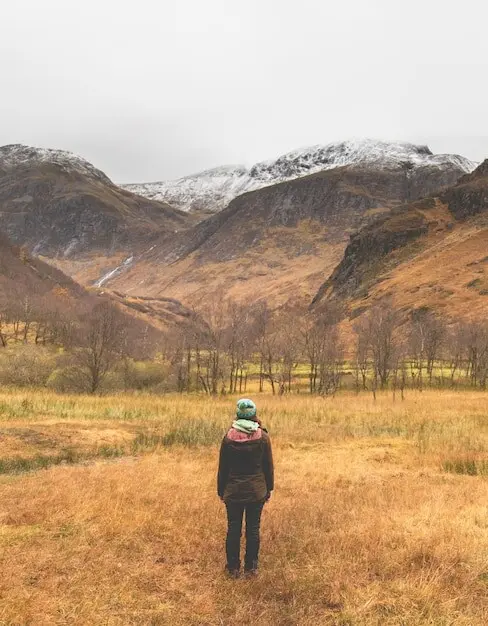
Set out to combine glen to loch walks with lochside wild swimming across the Scottish Highlands, letting river-carved paths guide you toward silver water and quiet reed-fringed bays. We share route-planning insights, heartfelt trail-and-water stories, safety-first preparation, and recovery rituals so your journey flows gracefully from bootprints to ripples, celebrating Scotland’s generous access rights, fragile shorelines, and the uplifting calm that follows a brave, breath-steadying cold-water dip.

Mapping the Valley-to-Water Journey

Cold-Water Confidence and Safety First
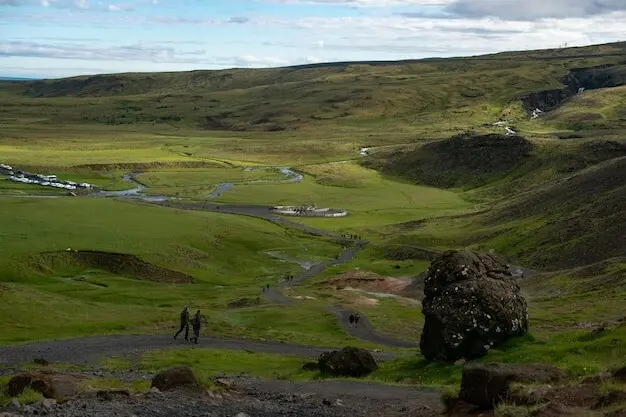
Loch water remains bracing across seasons, so preparation shapes every joy. We cover gradual acclimatisation, gear that preserves dexterity, and sensible limits that respect wind chill and chop. Expect practical advice on buddy systems, clear communications, spotting hazards, and calling a day early with pride. Your memories should glow with confidence, not luck, and your return walk should feel revived, not risky.

Highland Pairings: Walks That End With Remarkable Water
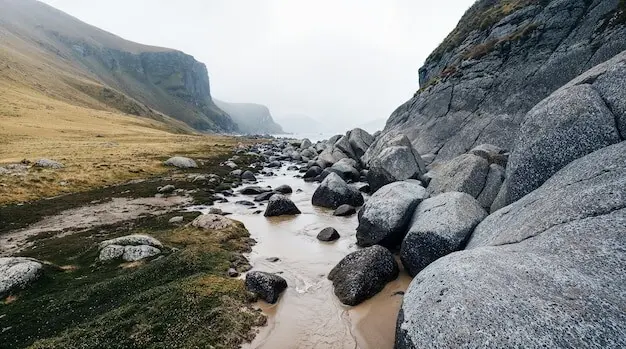
Some valleys lead so beautifully toward water that the final shoreline step feels like exhaling. We highlight pairings where scenery, access, and shelter converge: pine-framed beaches, cathedral-like glens, and calm leeward corners. Expect short narrative snapshots to help you imagine light, wind, and water movement, then adapt those ideas to your own pace, weather window, and sense of adventure.

Packing Systems, Drybags, and Quick Transitions

Use colour-coded drybags to separate swim kit, warm layers, and food. Stash a changing robe or large towel on top for speed, and practise transitions at home. A small sit pad protects feet from sharp stones. Keep a headtorch handy year-round, because Scottish evenings arrive suddenly, and organised packing shortens chilly moments when time, light, and dexterity feel precious.

Footwear, Traction, and Shoreline Confidence

Pair trail shoes with neoprene socks or light booties for stony entries, maintaining balance as cold stiffens ankles. Microspikes stay in the pack for frosty verges. Test footing slowly, using trekking poles like feelers. Respect slime-coated rocks, shuffle rather than leap, and prioritise exits that do not demand hero moves. Comfortable, deliberate steps keep stories celebratory instead of cautionary.

Warmth, Recovery, and the Happy Walk Back

Pull on a wool hat immediately, then a windproof layer, warm base, and dry socks before the shivers rise. Sip something sweet and hot, nibble salty snacks, and walk briskly to recirculate warmth. Celebrate gentle tingles, but pause if coordination lags. Pack chemical handwarmers, keep conversation light, and remember: the day’s success includes feeling better, steadier, and cheerfully hungry.

Weather, Seasons, and Finding the Right Window

Spring and Autumn: Crisp Air, Clear Water, Shorter Times

These shoulder seasons often bring luminous light and quieter paths. Water stays cold, so keep immersions brief and exits rehearsed. Watch for snowmelt chill in April and sudden squalls in October. Choose coves with sun-catching walls, and plan generous rewarming walks. Share your best windows with fellow readers, building collective wisdom that respects personal limits without losing seasonal magic.

Summer: Breezes, Midges, and Easy Evenings

Long daylight tempts big plans, but manage heat on the hike and midges at shore. Seek breezy points for less bite, carry head nets, and change quickly into swim gear. Boat traffic increases, so pick quiet coves and display visibility tow-floats. Late golden hours are sublime, yet remember warmth fades fast after sunset, so pack layers and smiles in equal measure.

Winter: Brave, Brief, and Carefully Supported
Winter swims require meticulous caution. Go shorter than you think, stay upright, and exit at first shiver. Pack redundant insulation and spare gloves, keep hands dexterous, and avoid solo ventures. Ice can hide weak edges, while snow deepens return walks. The reward is crystalline stillness and sunrise pink on ridges, owned gently by those who prepare generously and listen closely.

Care for Shores, Celebrate Stories, Grow the Community

Shorelines are living places, not backdrops. Move thoughtfully, leave no trace, and greet locals with warmth. We invite your route notes, careful corrections, and joyous photos so others learn from your experience. By sharing GPX tracks, campsite alternatives, and respectful parking tips, you help protect fragile ground, reduce pressure on honeypots, and keep this glen-to-loch tradition generous and welcoming.

Shoreline Etiquette That Protects Fragile Places

Change discreetly, step lightly on vegetation, and keep groups small near nesting areas or eroding banks. Carry waste out, including tea-bag strings and citrus peels. Avoid loud speakers, extinguish stoves fully, and leave natural structures unaltered. When many cars gather, consider moving on. Quiet care means future visitors will find soft moss, clear pebbles, and wildlife as unafraid as you felt welcome.

Respecting Estates, Residents, and Access Realities

Scotland’s access rights are generous, paired with responsibilities. Check stalking calendars, heed on-ground signage, and close gates gently. Park without blocking tracks or verges, and keep early-morning starts hushed near homes. If asked to adjust plans, do so with grace, then share updated advice with our readership. Courtesy builds trust, ensuring tomorrow’s walkers and swimmers meet smiles rather than barriers.

Share Your Pairings and Inspire the Next Journey

Tell us where your favourite glen line kissed water perfectly, which bays offered gentle footing, and how you warmed up afterward. Post thoughtful notes, subscribe for new route cards, and invite friends who value care and adventure equally. Your stories broaden safe, creative options, help newcomers skip avoidable mistakes, and keep the Highlands’ glen-to-loch magic alive, vibrant, connected, and kind.

Darizorizavo
Privacy Overview

This website uses cookies so that we can provide you with the best user experience possible. Cookie information is stored in your browser and performs functions such as recognising you when you return to our website and helping our team to understand which sections of the website you find most interesting and useful.