Cold Light, Quiet Paths: Planning Glen-to-Loch Day Hikes in the Scottish Highlands
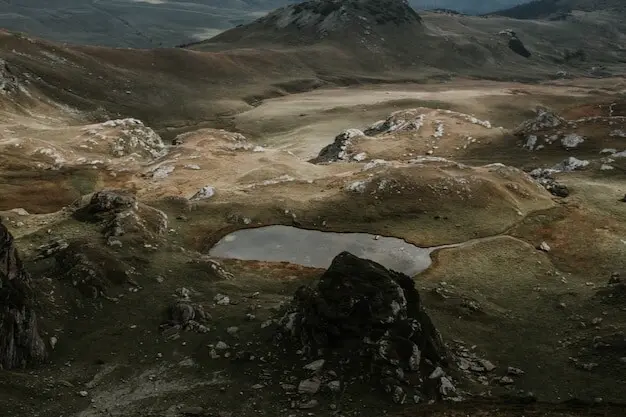
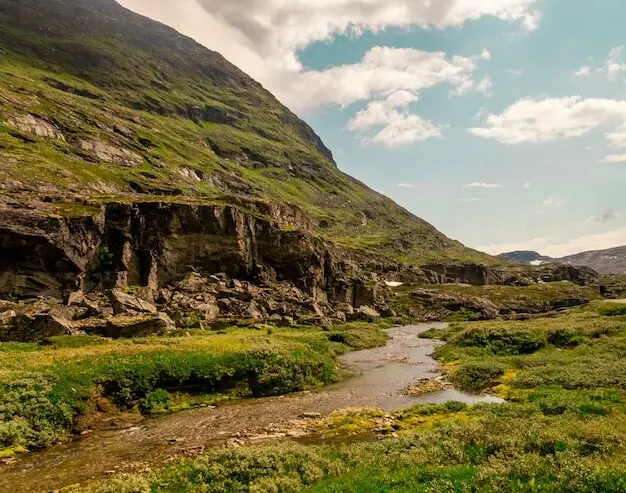
Step into the bracing clarity of Highland air as we explore winter and shoulder-season planning for Scottish glen-to-loch day hikes, turning short daylight, fickle weather, and quiet trails into safe, memory-rich journeys. Expect practical tips, real stories, and gentle nudges toward confident decisions, from reading forecasts and river levels to choosing gear that genuinely performs when frost, wind, and sleet try to steal your resolve. Share your experiences, subscribe for new route ideas, and help fellow walkers learn from your successes and near-misses.

Weather Windows and Daylight Math

Success on a cold Highland day often comes down to timing and sky sense. Learn to spot workable weather windows amid fast-moving fronts, and plan around short daylight by stacking generous margins. Reliable forecasts, civil twilight awareness, and disciplined turnaround times transform a hopeful outing into a confident one. The most scenic shoreline feels sweeter when you arrive calm, warm, and unhurried by darkness edging up the glen behind you.

Choosing Routes Between Glen Floors and Loch Shores

Clothing Systems That Actually Work When It’s Raw
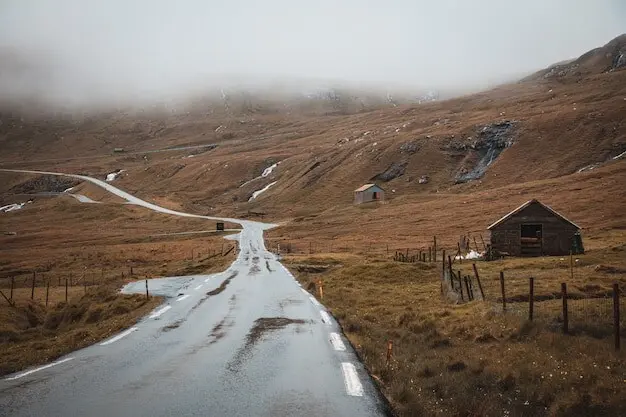
Real warmth comes from systems that adapt to effort, wind, and damp, not from a single heroic jacket. Build layers that breathe on climbs and block chill during pauses. Protect extremities thoughtfully, manage sweat before it chills you, and carry quick-change options that invite action rather than procrastination. In the Highlands, fickle skies demand curiosity and rehearsal; pack like you will use every piece, then actually use them before discomfort grows teeth.

Safety, Navigation, and Winter Judgement

Lower-level days still demand sharp decisions. Visibility can fall quickly along reed-fringed shores, and snowfields above corries occasionally shed debris across paths. Commit to feature-led navigation that works when electronics sulk. Respect avalanche bulletins for neighboring slopes, learn to interpret windslab clues, and avoid gullies collecting runout. Carry dependable lighting, communication backups, and know your precise location with grid references. As confidence grows, pair ambition with humility and keep learning, always.

Outdoor Access Code, Practiced With Winter Sensitivity

Enjoy responsible access by avoiding damage to saturated paths, giving wide berth to farm operations, and skirting through fields with livestock considerately. In shoulder seasons, spring ground-nesting birds need freedom from disturbance on heaths and rough grassland; pick firmer tracks where possible. Small choices, like pausing to let deer move calmly, conserve their precious energy. Share your awareness with companions, modeling the kind of care that keeps access generous and communities supportive of visiting walkers.

Deer Stalking Seasons and Estate Coordination

Stag stalking typically runs late summer into October, with hind stalking extending through winter in many areas. Check the Hillphones or estate websites, read on-the-ground notices, and phone ahead if unsure. Sensible reroutes protect livelihoods and safety without spoiling your day; glen tracks often provide easy alternatives. When you meet workers, a friendly hello and brief chat can yield golden local advice about water levels, forestry diversions, and sunlit corners worth an unhurried lunch.

Leave No Trace When Trails Are Tender

Frozen mornings can hide soft peat underneath, quickly chewed by careless shortcuts. Stay on durable surfaces, step through puddles rather than widening paths, and snack away from fragile vegetation. Pack out everything, including tea bag strings and orange peel. A tiny brush of boot mud before car boarding keeps grit out of village drains. Share before-and-after photos that celebrate tidy habits, inspiring others to keep glen paths crisp for the next cold wanderer.

Snack Strategy That Works Below Freezing
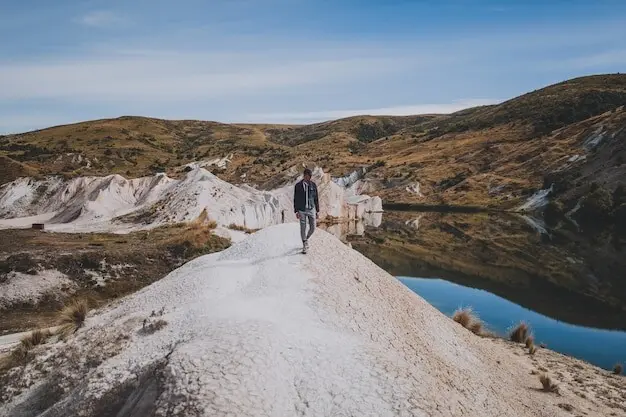
Pre-cut cheese, soft tortillas, nut butters, and flapjacks resist turning into jawbreakers, while gels flow if stored in an inner pocket. Eat small amounts every forty-five minutes rather than waiting for hunger to shout. A hot soup flask changes everything when wind bites fingers. Stash an emergency chocolate bar for morale, not calories. Share snacks generously at decision points; kindness keeps groups steady, warm, and eager to continue toward the glinting water ahead.

Hydration That Doesn’t Turn to Ice

Insulate bottles with socks or neoprene sleeves, and carry one inside your pack near spare layers. Flip bottles upside down so ice forms at the real bottom, not the cap. Warm, weakly sweet tea encourages steady sipping even when thirst hides behind cold. Electrolytes support cramp-free strides across frozen ruts. If streams are safe and unfrozen, refill thoughtfully downstream from livestock. Every comfortable sip is a quiet refusal to let the chill win.

Breaks That Build Morale, Not Shivers
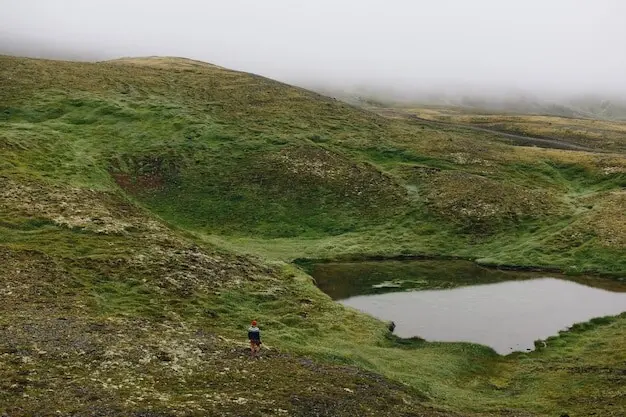
Choose wind-sheltered nooks among birch or pine, add a belay jacket immediately, and set a timer to keep stops snappy. Sit on a foam pad, not cold stone. Share a hot drink, swap stories, and review the next navigational leg together. Agree on signals for early layer changes so no one endures quiet suffering. Finish with a quick stretch, a grin toward the loch, and a smooth return to steady, warming movement.

Sample Glen-to-Loch Days and Real Tales
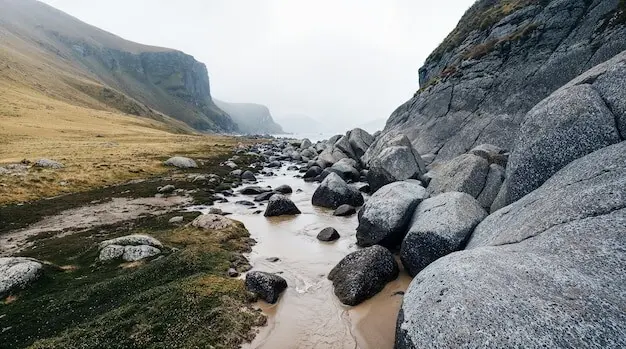
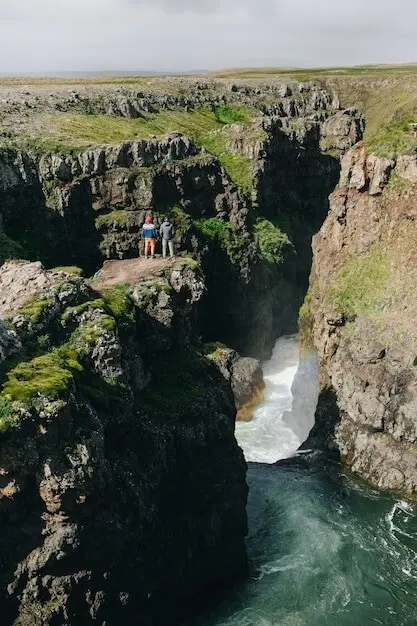
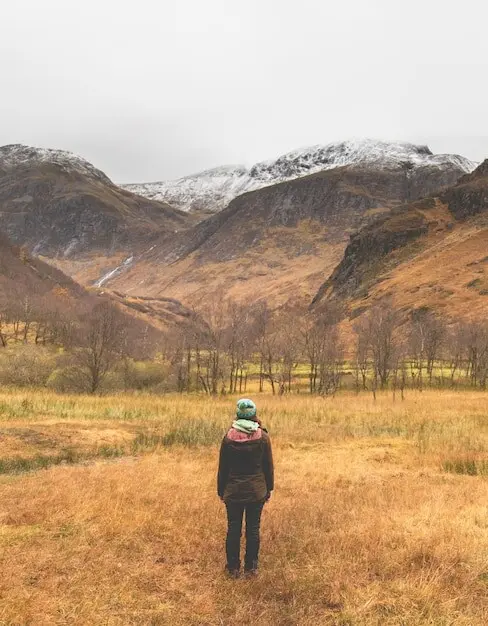
Turn principles into lived memories with approachable routes where pine scent, wheeling cloud, and silver water compose winter’s quiet symphony. These examples highlight variations in terrain, wind exposure, and escape options, paired with human stories of small decisions that shaped safe, satisfying days. Use them as inspiration rather than prescriptions, and share your own variations in the comments so others can benefit from timely tips, fresh photos, and honest reflections about what truly worked.
Start at the car park near the ancient pines and follow the riverside track west, where sun fingers creep across hoarfrost like bright brushstrokes. We added spikes on shaded bends, then paused above a reedbed for soup. When a thin wind arrived early, we shortened the loop via a forest ride, returning content and warm. Share your Glen Affric shortcuts and sheltered snack spots to help others time their light just right.
This short wander deceives; gusts sweep through the valley, glazing stones beside the water. We checked MWIS for wind gusts, carried poles, and used a precise turnaround time that respected encroaching cloud. The loch mirrored a bruised sky, beautiful and brittle. A bothy brew plan turned unnecessary when a sun patch opened. Post your preferred parking tips, microspike moments, and camera settings that tame contrast between brilliant snow streaks and shadowed cliffs.
Darizorizavo
Privacy Overview

This website uses cookies so that we can provide you with the best user experience possible. Cookie information is stored in your browser and performs functions such as recognising you when you return to our website and helping our team to understand which sections of the website you find most interesting and useful.